Voice Command Interfaces Streamlining Dispute Handling During Live Table Sessions and Promotional Funding Cycles

Voice command interfaces have integrated into live dealer platforms across multiple jurisdictions where operators deploy speech recognition to manage real-time disputes at tables such as blackjack and roulette while coordinating promotional funding cycles that involve deposit bonuses and wager requirements. These systems process spoken instructions to flag issues like bet disputes or payout discrepancies without requiring players to pause gameplay or switch to text-based support channels.
Integration with Live Table Operations
Live table sessions generate frequent queries about card placement, bet validation, and dealer actions, and voice interfaces allow participants to issue commands that trigger immediate review protocols. Operators report that speech-to-text modules convert player statements into structured tickets which route directly to floor supervisors or automated verification tools. Data from industry deployments in 2025 shows average dispute resolution times dropped from several minutes to under 45 seconds when voice systems handled initial intake.
During promotional funding cycles that coincide with table play, voice commands also activate bonus tracking features so players can confirm eligibility or request adjustments to matched deposits without exiting the session. Systems cross-reference spoken details against backend ledgers to surface discrepancies in real time, and this linkage reduces the volume of follow-up emails operators receive after sessions end.
Technical Components and Deployment Patterns
Modern voice interfaces combine natural language processing engines with secure audio channels that encrypt transmissions between player devices and casino servers. Developers calibrate these engines on regional dialects and gaming terminology to minimize misrecognition during high-stakes moments. One implementation in North American markets, for example, processes commands such as "flag this hand for review" and pairs them with session metadata including table ID and timestamp.
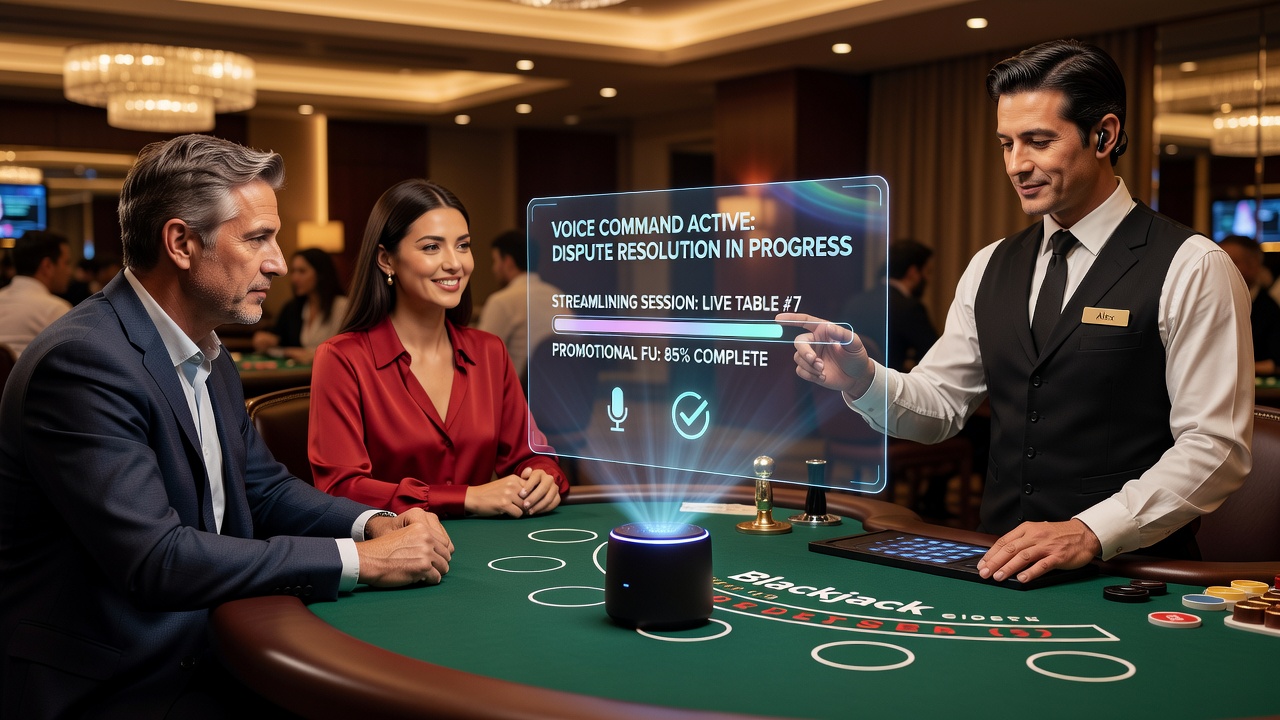
July 2026 brought expanded testing of these interfaces in several state-regulated markets where regulators required documented accuracy rates above 92 percent before full rollout. Platforms incorporated fallback mechanisms that revert to live chat if confidence scores fall below threshold, preserving service continuity while voice modules refine through continued use.
Impact on Promotional Funding Cycles
Promotional funding cycles often overlap with live table traffic, creating spikes in queries about bonus activation, rollover progress, and withdrawal eligibility. Voice command systems allow players to query these elements verbally, and the interfaces pull data from both gaming and banking modules to deliver spoken summaries or initiate adjustment requests. Research conducted by the Canadian Gaming Association indicates that operators adopting integrated voice tools saw a 31 percent reduction in support tickets tied to promotional disputes during peak periods.
These tools also log every voice interaction with timestamps and player identifiers, creating audit trails that satisfy regulatory reporting needs in jurisdictions such as New Jersey and Ontario. Compliance teams access these records through dashboards that highlight patterns in dispute types across funding cycles and table variants.
Regulatory and Security Considerations
Regulators in multiple regions require operators to maintain logs of voice data handling and to provide opt-out options for players who prefer traditional support methods. Security protocols segment audio streams from payment details, and encryption standards align with those used for financial transactions. A 2025 report issued by the Australian Communications and Media Authority examined voice interface deployments and noted that properly configured systems maintained transaction integrity while accelerating query resolution.
Observers note that platforms must balance automation with human oversight, particularly when disputes involve large promotional amounts or contested table outcomes. Training datasets continue to expand with anonymized interactions so recognition accuracy improves across accents and gaming contexts.
Conclusion
Voice command interfaces have established measurable pathways for handling disputes during live table sessions and promotional funding cycles by connecting spoken input directly to verification and adjustment processes. Deployment data through mid-2026 demonstrates consistent reductions in resolution intervals alongside maintained compliance standards across regulated markets. As additional operators adopt these tools, documentation from sources such as the American Gaming Association and academic studies on human-computer interaction will continue to track performance metrics and user adoption trends.