The Synchronization of Real-Time Help Channels With Digital Transfers in Handheld Poker Rooms and Sports Prediction Apps
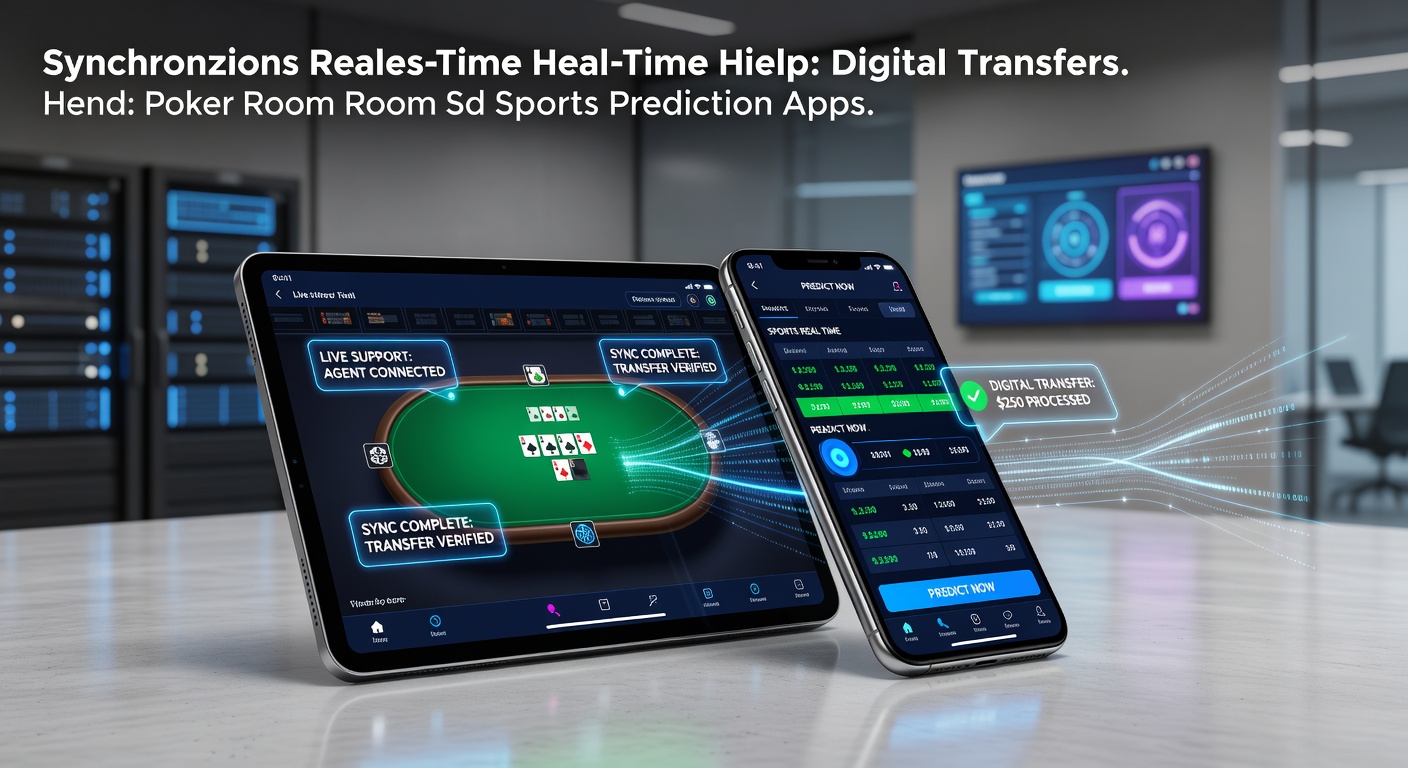
Handheld poker rooms and sports prediction apps rely on synchronized systems that link real-time help channels directly to digital transfer mechanisms, allowing support teams to access transaction data while users remain connected through chat or voice interfaces. This integration processes queries about deposits, withdrawals, and balance updates without requiring users to switch between separate applications or wait for delayed responses.
Core Integration Mechanisms
Developers connect customer support platforms to payment gateways through secure APIs that pull live transaction records, account statuses, and transfer histories into support dashboards. When a user initiates a chat about a stalled digital transfer, the system automatically displays the relevant payment details to the agent, including timestamps, amounts, and error codes from the processing network.
Data from industry reports indicates these connections reduce average resolution times for payment-related inquiries by routing information through encrypted channels that comply with regional security standards. In poker applications, this setup handles micro-transactions for buy-ins and rake calculations, while sports prediction platforms manage odds-based wagers that update balances across multiple events simultaneously.
Operational Flow in Mobile Environments
Users on handheld devices trigger support requests through in-app buttons that open encrypted sessions tied to their current session data. Agents receive prompts that include both the user's query and linked transfer information, enabling them to verify fund movements or advise on pending authorizations in one continuous exchange. This process incorporates biometric authentication logs to confirm user identity before any adjustments occur.
Technical Synchronization Elements
Backend systems employ event-driven architectures where payment events trigger notifications to support queues, ensuring agents see updates as they happen rather than through periodic refreshes. Researchers at institutions studying digital transaction security have documented how these architectures maintain audit trails that satisfy oversight requirements from bodies such as the Nevada Gaming Control Board.
Additional layers include automated escalation protocols that flag complex transfer issues for specialized teams equipped with direct access to banking partners. Observers note that synchronization extends to multi-device continuity, where a user starting a support interaction on a phone can continue it on a tablet without losing context on active transfers.
Regulatory Context and May 2026 Developments
Rules effective in May 2026 across several jurisdictions require operators to maintain verifiable links between support logs and payment records for audit purposes. These standards emphasize data retention periods and access controls that prevent unauthorized viewing of financial details during support sessions. Compliance frameworks from sources like the Victorian Commission for Gambling and Liquor Regulation outline specific logging practices that align with the synchronization models already deployed in many platforms.

Platforms must demonstrate that support interventions do not alter transaction integrity, a requirement that has prompted updates to encryption protocols and permission hierarchies. Figures from research papers on gaming technology show increased adoption of these synchronized systems following the announcement of the 2026 regulatory timeline.
Implementation Examples Across Platforms
One documented case involved a sports prediction app that integrated its help channel with transfer processors to resolve disputes over settlement delays during live events. Agents accessed settlement ledgers in real time, confirming wager outcomes and corresponding fund movements without transferring users to external banking portals. Similar setups appear in poker environments where tournament entry fees require immediate confirmation to maintain game integrity.
Studies from academic sources on mobile financial systems highlight how such integrations handle peak loads during major sporting events or poker tournaments, maintaining response consistency across thousands of concurrent sessions. The architecture supports both fiat and alternative transfer methods through unified interfaces that present status information uniformly to support staff.
Security and Data Handling Practices
Encryption standards applied to synchronized channels ensure that payment details remain protected during transmission to support interfaces. Tokenization techniques replace sensitive account numbers with temporary identifiers that agents use for verification tasks. Industry organizations tracking digital security trends report that these measures align wth broader requirements for protecting user financial data in entertainment applications.
Access controls limit support personnel to read-only views of transfer histories in most cases, with write permissions reserved for verified escalation paths. This structure prevents inadvertent modifications while allowing agents to guide users through self-service resolution steps when appropriate.
Conclusion
The synchronization of real-time help channels with digital transfers continues to evolve alongside platform capabilities and regulatory expectations. Systems that connect these functions deliver consistent access to information needed for efficient query handling in handheld poker rooms and sports prediction apps. Ongoing refinements focus on maintaining compliance while supporting the volume of transactions typical in these environments.