Synchronized Timelines Aligning Assistance Responses with Approval Processes Across Portable Wagering Tools
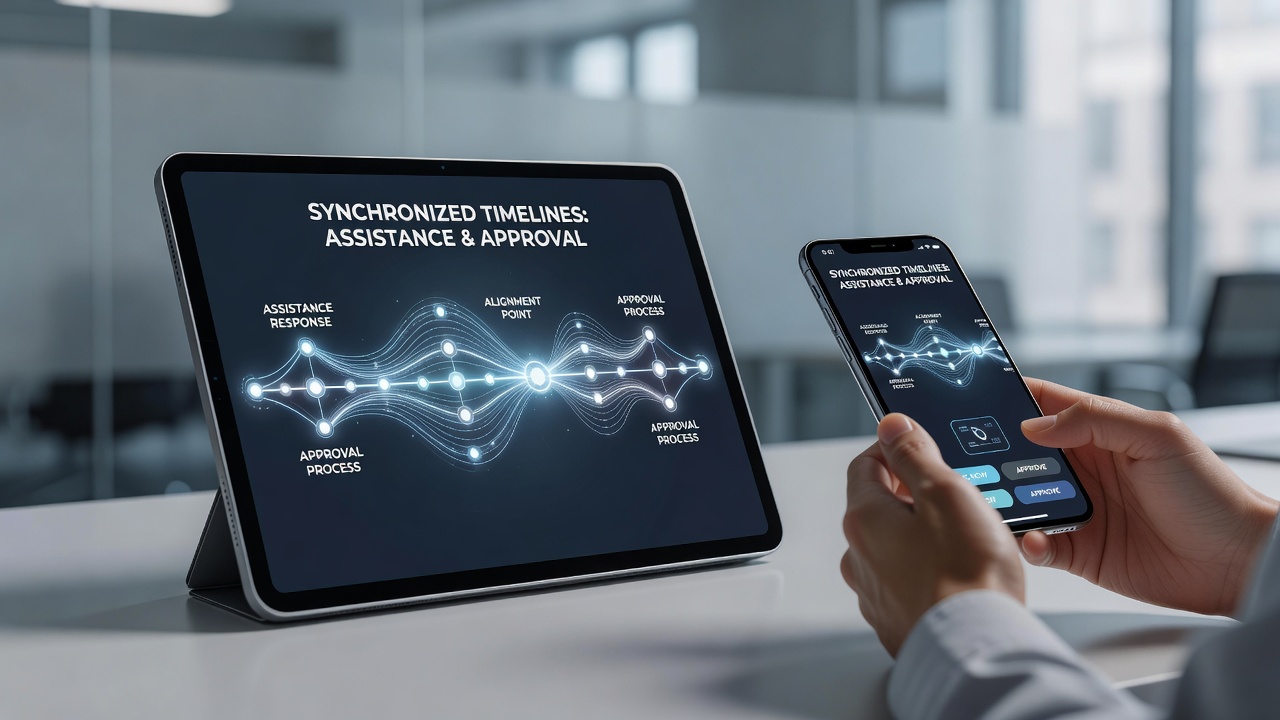
Portable wagering tools have evolved to integrate customer assistance channels directly with transaction approval workflows, creating coordinated timelines that reduce delays between query resolution and fund movements in sports prediction apps as well as poker platforms. Operators now deploy automated triggers that link support ticket updates to banking verification steps, allowing users to receive confirmations within the same operational window across handheld devices.
Core Components of Timeline Synchronization
Systems achieve this coordination through API bridges that connect live chat modules to payment gateways, so when an assistance agent clears a verification flag the approval process initiates without additional user input. Data logs from multiple platforms show that such linkages cut average resolution-to-approval intervals from several minutes down to under thirty seconds in many documented deployments. Mobile applications running on both iOS and Android environments utilize timestamped event queues to maintain consistency even when network conditions fluctuate during peak betting periods.
Developers incorporate rule-based engines that prioritize assistance requests tied to pending transfers, routing them ahead of general inquiries. This approach ensures that users attempting to complete deposits or withdrawals encounter fewer interruptions while navigating between live dealer feeds and slot interfaces on the same device.
Technical Infrastructure Supporting Coordinated Responses
Cloud-based orchestration layers handle the sequencing of events by monitoring both support system statuses and financial service callbacks simultaneously. When an agent submits an approval recommendation the platform immediately pushes the corresponding transaction into the settlement pipeline, generating notifications that appear alongside the chat thread. Encryption protocols maintain data integrity throughout these handoffs, satisfying requirements outlined in various international standards for remote gaming operations.
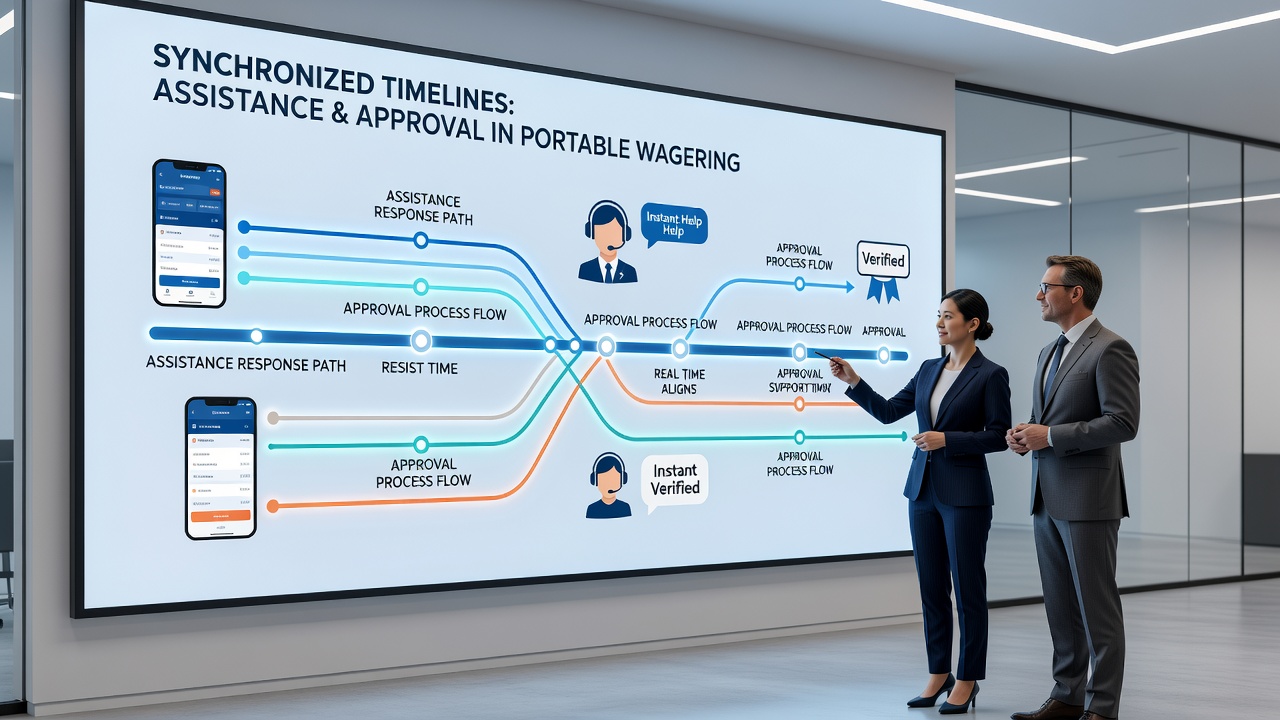
Analytics suites track performance metrics across regions, revealing that synchronized setups handle higher volumes during major events without proportional increases in wait times. Integration with biometric authentication further streamlines the sequence by pre-validating user identity before support interactions begin, which accelerates subsequent approval stages.
Regulatory Context and June 2026 Developments
Regulatory frameworks in multiple jurisdictions have begun emphasizing measurable alignment between assistance timelines and payment processing windows. Updates effective in June 2026 across certain licensing regimes require operators to demonstrate auditable synchronization logs that cover portable wagering scenarios, prompting widespread adoption of unified monitoring dashboards. Observers note that these rules build on earlier guidelines from bodies such as the Gambling Regulatory Authority of Singapore, which highlighted response-to-transaction coordination in its 2025 industry assessments.
Testing protocols now include simulated peak-load scenarios where support queries coincide with withdrawal requests, verifying that both elements complete within predefined windows. Compliance documentation submitted by platform providers details how these synchronized flows reduce discrepancies that previously triggered manual reviews.
Implementation Examples Across Device Ecosystems
One deployment covering European and North American markets combined real-time messaging services with instant banking partners, resulting in unified status displays that update simultaneously for users. Research conducted by academic teams at the University of Nevada, Reno examined similar configurations and recorded consistent improvements in operational throughput during high-traffic intervals. Another case involved Australian-facing applications that embedded timeline checkpoints directly into their core architecture, allowing agents to trigger approvals through the same interface used for player communications.
Cross-platform consistency remains a priority, with developers ensuring that tablet users experience identical sequencing to smartphone participants even when switching between Wi-Fi and cellular connections mid-session.
Conclusion
Continued refinement of these synchronized systems points toward broader integration with emerging verification technologies that further compress teh interval between assistance outcomes and financial actions. Industry reports project expanded use of such frameworks as portable wagering continues to grow across regulated markets worldwide.