Seamless Query Resolution Frameworks Connecting Payment Systems to Reward Mechanisms in Mobile Poker and Slots
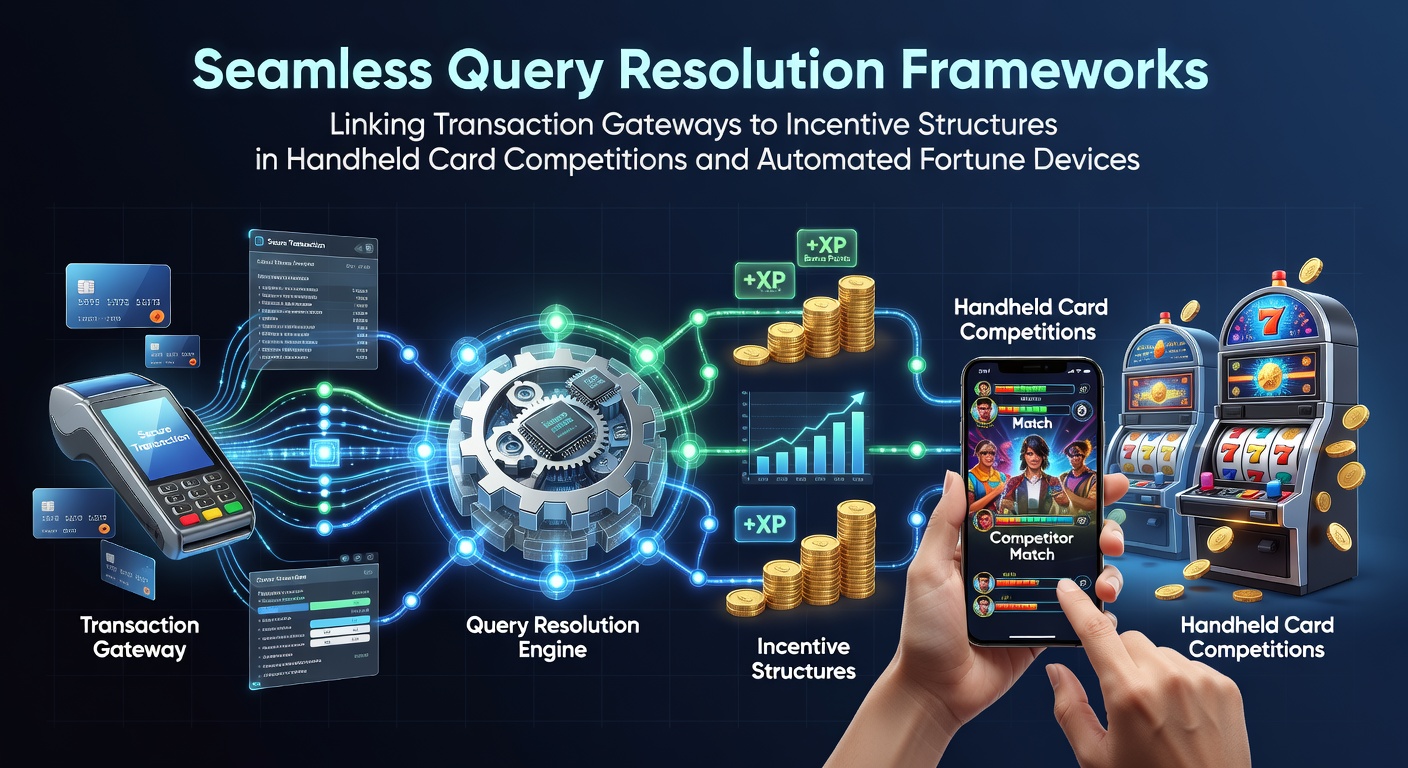
Data from industry analyses shows that seamless query resolution frameworks now link transaction gateways directly to incentive structures in handheld card competitions and automated fortune devices, allowing operators to handle player inquiries while managing payments and bonuses in unified workflows. These systems emerged as platforms scaled mobile poker rooms alongside slot offerings during 2025, when transaction volumes increased across digital channels.
Core Components of Integrated Resolution Systems
Transaction gateways process deposits, withdrawals, and in-game purchases, while incentive structures track loyalty points, bonus releases, and promotional credits. Query resolution frameworks sit between these elements by routing support tickets through automated verification steps that confirm payment status before releasing rewards. Researchers at several European institutions documented this integration pattern in reports covering handheld poker applications and slot platforms, noting that operators reduced average resolution times when payment data fed directly into reward engines.
Observers note that these frameworks rely on API connections rather than manual handoffs. A player reporting a delayed bonus credit triggers an automated check against the transaction gateway record, which then updates the incentive ledger without separate staff intervention. This approach gained traction after May 2026 regulations took effect across multiple jurisdictions, requiring clearer audit trails for bonus allocations tied to real-money transactions.
Application in Handheld Card Competitions
Handheld card competitions, including mobile poker tournaments and cash games, generate frequent queries around buy-ins, rake calculations, and tournament payouts. Frameworks connect these inquiries to transaction records so support teams can verify whether a missing reward stems from a failed deposit or a delayed settlement. According to data compiled by the Canadian Gaming Association, platforms using linked systems reported fewer escalated cases because payment verification occurred within the same interface used for incentive adjustments.
Those managing live poker feeds on mobile devices often encounter synchronization issues between real-time game states and reward ledgers. Resolution tools address this by pulling gateway timestamps alongside game logs, allowing operators to reconcile discrepancies in single sessions. One study released by an Australian research consortium found that operators adopting these methods cut query backlog by measurable margins during peak tournament periods.
Handling Automated Fortune Devices
Automated fortune devices, commonly known as slot machines in digital form, produce different query patterns focused on spin outcomes, progressive contributions, and feature triggers. When players question missing free spins or loyalty multipliers, the resolution framework pulls transaction data to confirm whether a qualifying deposit activated the incentive. This linkage prevents duplicate manual reviews and ensures reward structures activate only after verified payments clear the gateway.
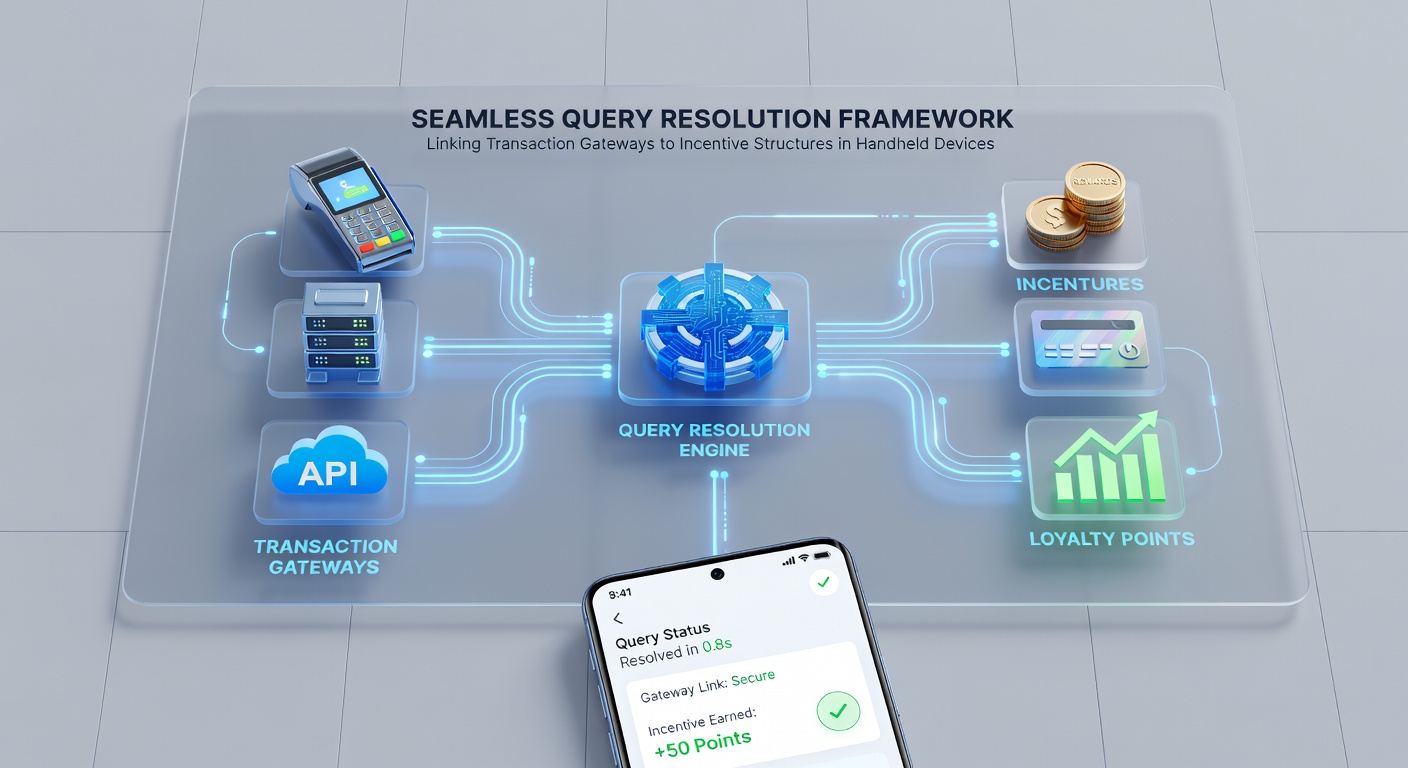
Platforms operating large slot portfolios discovered that May 2026 regulatory updates demanded faster disclosure of how bonuses attach to specific deposits. Integrated frameworks satisfy this requirement by embedding transaction references inside each reward record, creating traceable paths from initial payment through final incentive delivery. Industry reports indicate that operators in regulated markets updated their systems ahead of these deadlines to maintain compliance without service interruptions.
Technical Integration Patterns
Developers implement these frameworks through modular software layers that sit atop existing payment processors and loyalty databases. When a query arrives, the system first authenticates the player's transaction history, then checks incentive eligibility rules, and finally executes adjustments or explanations in one sequence. This reduces the number of separate database calls and limits opportunities for data mismatches.
What's interesting is how these connections scale across regions. In North American markets, frameworks often prioritize real-time fraud checks before reward releases, whereas European operators emphasize bonus transparency logs. The common thread remains the direct data flow between gateways and incentives, which regulators in several jurisdictions began requiring as standard practice following the 2026 updates.
Operational Outcomes Across Platforms
Operators report that unified resolution systems lowered support staffing needs while maintaining response quality, particularly during high-volume events such as slot tournaments or poker series. The frameworks also support compliance reporting by generating logs that tie every reward action to a verified transaction, satisfying audit requirements introduced in May 2026.
Those reviewing platform performance data note consistent improvements in player retention metrics when queries involving both payments and rewards resolve within single interactions. This occurs because the underlying systems eliminate delays that previously arose when separate teams handled transaction and incentive issues.
Conclusion
Seamless query resolution frameworks continue to evolve as transaction gateways and incentive structures become more tightly coupled in handheld card competitions and automated fortune devices. The patterns established through 2025 and refined after May 2026 regulations demonstrate how direct data linkages support both operational efficiency and regulatory compliance across mobile gambling platforms. Further developments will likely focus on expanding these connections to additional game types while preserving teh core verification flows that already link payments to rewards.