Query Spikes and Transfer Bottlenecks: Examining Support Interactions During Promotional Periods in Slot and Sports Applications
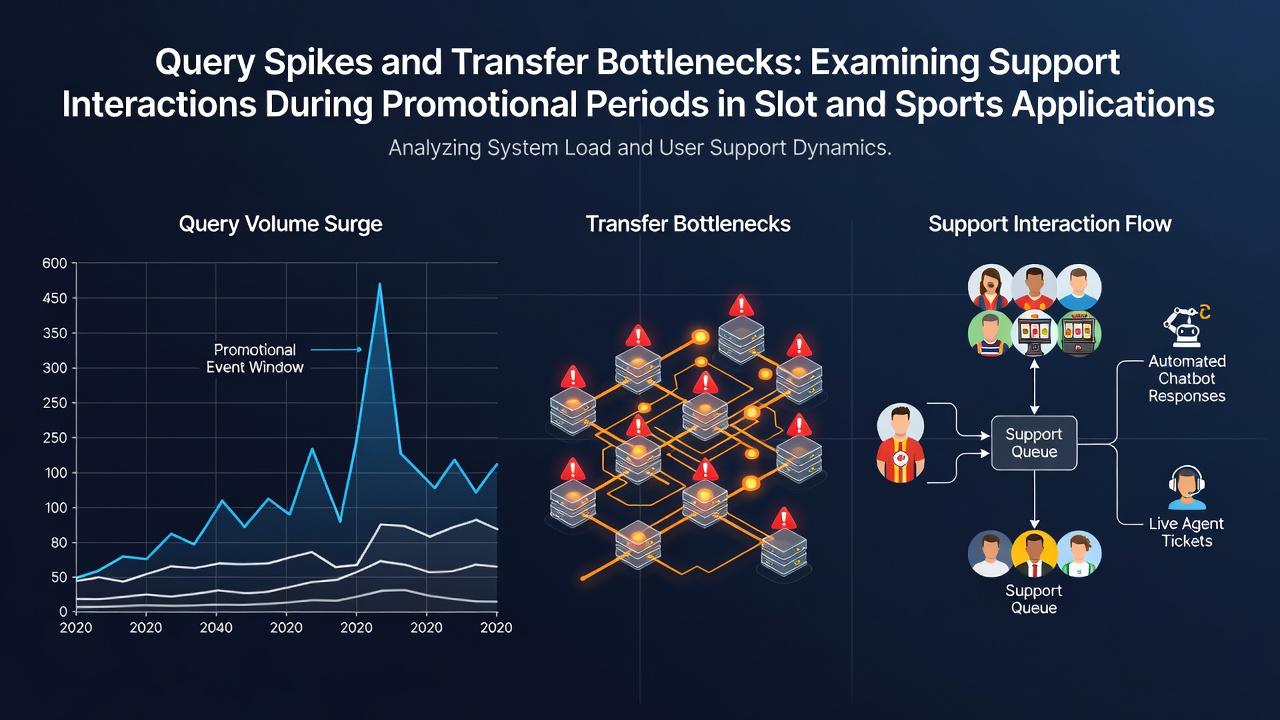
Promotional periods in slot and sports applications generate measurable increases in user interactions with support channels, and these surges often coincide with delays in payment processing systems. Data from multiple industry monitoring efforts shows that query volumes can rise sharply when bonus offers, deposit matches, and event-specific incentives activate simultaneously across mobile platforms. Observers note that such patterns emerged clearly during July 2026 when several major operators ran overlapping campaigns tied to summer sports leagues and seasonal slot tournaments.
Patterns of Increased Support Volume
Analysts tracking mobile gambling applications report that promotional windows produce distinct spikes in questions about eligibility rules, wagering requirements, and withdrawal timelines. One study released by the American Gaming Association documented a 40 percent average uptick in support tickets during multi-week campaigns that combined slot free spins with sports parlay boosts. Those same periods also saw corresponding growth in complaints regarding pending transfers, since users frequently attempt to move winnings immediately after completing promotional playthrough conditions.
Support teams handle repeated inquiries about verification steps, bonus code application, and account limits while payment processors manage simultaneous deposit and withdrawal requests. The overlap creates measurable strain on both human agents and automated systems. Researchers examining transaction logs from several operators found that average response times for query resolution extended by 25 to 35 minutes when ticket volume exceeded baseline levels by more than 50 percent.
Mechanics Behind Transfer Bottlenecks
Transfer bottlenecks develop when high volumes of withdrawal requests arrive alongside verification checks triggered by promotional activity. Payment gateways must reconcile bonus credits, cleared wagers, and security flags before releasing funds, and each additional layer adds processing time. Industry reports indicate that sports applications experience sharper spikes during live event windows, whereas slot platforms generate steadier but sustained query growth tied to accumulating spin bonuses.
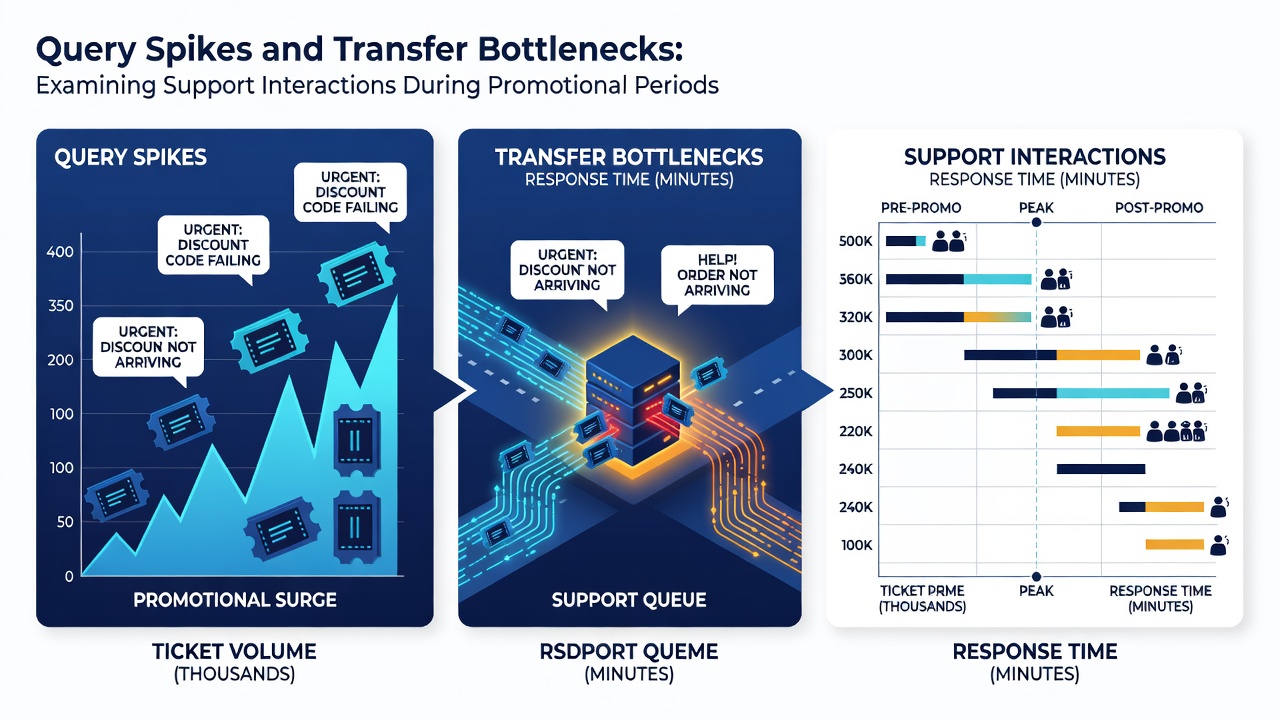
Operators deploy queue management tools and tiered support routing to address the load, yet these measures do not always prevent cascading delays. Figures released by the Pennsylvania Gaming Control Board for the second quarter of 2026 showed that mobile sportsbooks recorded the highest number of delayed payout cases during weeks containing both major league finals and operator-wide deposit promotions. Similar patterns appeared in data from Canadian provincial regulators monitoring iGaming platforms in Ontario.
Regional Data and Operational Responses
European operators tracked by the European Gaming and Betting Association reported parallel trends during summer 2026 campaigns that featured cross-product bonuses spanning slots and live sports markets. Support interaction logs revealed that users most often contacted agents about mismatched bonus balances and extended verification holds on larger withdrawals. Automated chat systems absorbed a portion of routine queries, yet complex cases involving combined slot and sports activity still required human intervention.
Platform providers have introduced predictive staffing models that scale agent availability based on historical promotion calendars. Some companies integrate real-time transaction monitoring that flags potential bottlenecks before they affect large numbers of accounts. These adjustments reduced average resolution times in controlled tests, although complete elimination of delays remains uncommon during peak promotional overlap.
Conclusion
Query spikes and transfer bottlenecks represent interconnected operational challenges that intensify whenever slot and sports applications run concurrent promotional campaigns. Available data from regulatory bodies and industry associations demonstrates consistent volume increases and processing slowdowns across multiple jurisdictions. Operators continue to refine support infrastructure and payment workflows in response to these recurring patterns, particularly around high-activity windows such as those observed in July 2026.