Neural Threads in Portable Play: Mapping AI Feedback Loops Between Reel Algorithms, Table Interactions, and Athletic Odds Through Instant Reward Triggers
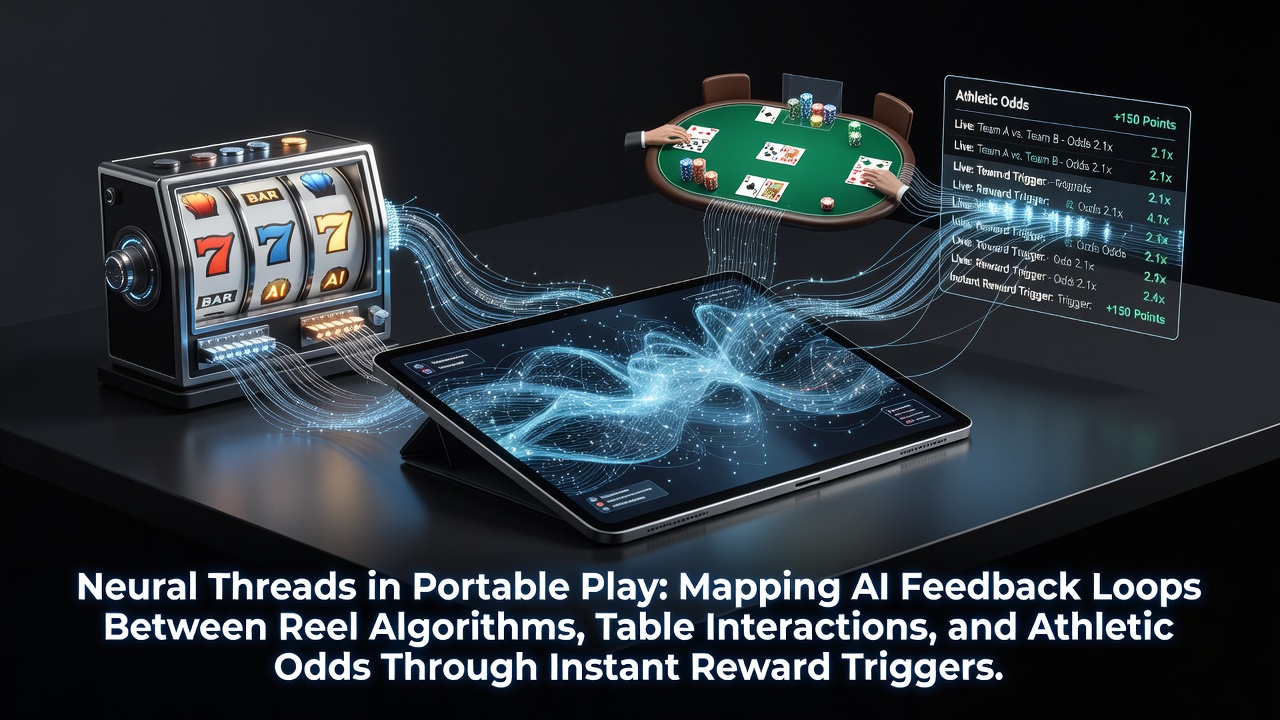
Portable gaming platforms now integrate AI systems that create continuous feedback loops across slot reel algorithms, live table interactions, and sports betting odds, with instant reward triggers serving as the primary connection points. These loops process player data in real time, adjusting outcomes and incentives based on patterns detected across game types. Observers note that the architecture relies on neural network models capable of threading information from one category directly into another without manual intervention.
Reel Algorithms as Entry Points
Slot reel systems on mobile devices employ machine learning models that analyze spin frequency and bet sizing to generate initial reward signals. When a player triggers a bonus round, the algorithm logs that event and shares the data point with connected modules handling table games and athletic predictions. Data shows these reel algorithms update their volatility settings every few seconds based on cross-category performance metrics pulled from the same user session.
Researchers at institutions studying digital entertainment have documented how reel-based rewards influence subsequent recommendations for table play. A sequence of high-value slot hits often leads the system to surface card table invitations that carry similar payout structures, creating a seamless thread between the two formats.
Table Interactions Feeding Athletic Odds
Live dealer table modules capture decision speed, bet spread patterns, and session duration, then route that information into sports betting engines. The feedback loop activates when a table player receives an instant reward such as a matched bet credit, prompting the athletic odds module to adjust displayed lines for related events. This adjustment occurs within the same app session, linking physical card choices to predictive markets on upcoming matches.
Instant Reward Triggers as Connectors
Instant reward mechanisms function as the operational nodes that close each loop. When a reward activates, whether through a slot free spin bundle or a table cashback offer, the trigger broadcasts metadata to all linked categories. Athletic odds displays then recalibrate probability estimates to reflect the player's recent reward history, while reel algorithms receive updated weighting factors derived from table interaction data.

According to reports from iGaming Ontario, reward frequency directly correlates with increased cross-category engagement rates. Systems record these correlations through timestamped event logs that feed back into the central neural model every minute.
Mapping the Loop Architecture
The mapping process begins with data ingestion layers that standardize inputs from reels, tables, and odds modules into a shared vector space. Neural threads then propagate adjustments forward and backward: a change in sports odds visibility can alter table minimums displayed to the same user, while table outcome data modifies reel symbol weighting. This bidirectional flow maintains consistency across the portable interface.
Industry analyses from the Victorian Responsible Gambling Foundation indicate that such architectures reached operational maturity in several major platforms by early 2026. June 2026 updates focused on reducing latency in the reward broadcast layer, allowing loops to complete within sub-second timeframes.
Technical Components of the Feedback System
- Real-time feature extraction from each game type
- Shared embedding layers that translate reel, table, and odds data into compatible formats
- Reward trigger APIs that push updates across modules simultaneously
- Session-level memory buffers storing recent cross-category activity
These components operate continuously, with the neural model retraining on aggregated anonymized sessions nightly. Observers note that the system prioritizes reward delivery speed over individual game isolation, resulting in tightly coupled player journeys across formats.
Conclusion
Neural threads in portable play represent a structural shift toward unified AI management of reel algorithms, table interactions, and athletic odds through instant reward triggers. The loops documented here rely on standardized data flows and rapid trigger mechanisms that keep all three categories responsive to one another. As platforms refine these connections, the mapping of feedback pathways continues to evolve based on observed session patterns and technical optimizations introduced in mid-2026.