Machine Learning Models Optimizing Retention Across Reel Devices, Table Matchups, and Athletic Forecasts on Portable Platforms
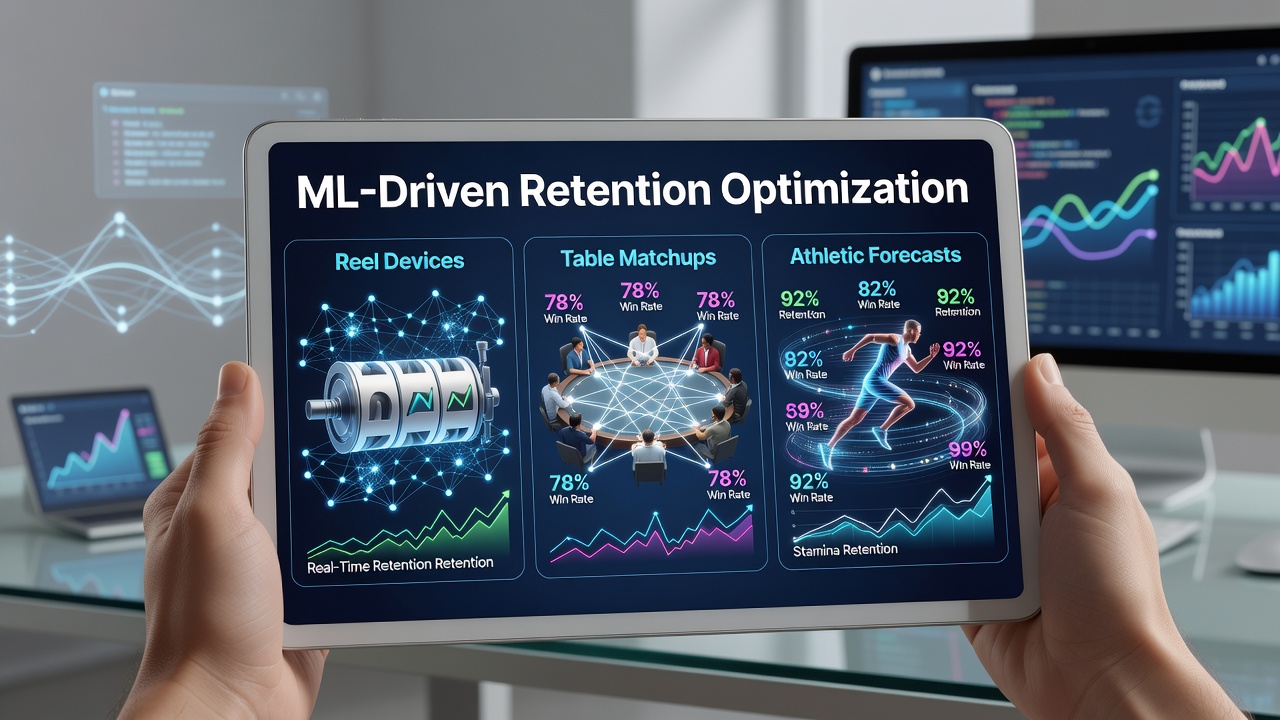
Data from portable platforms shows that machine learning models now track player activity across reel devices, table matchups, and athletic forecasts to improve retention rates, and these systems process large volumes of behavioral signals in real time while adjusting offers and interfaces without manual intervention.
Core Mechanisms Driving Retention
Models built on neural networks and gradient boosting identify patterns that precede account inactivity, and they combine session duration, bet frequency, and game type preferences into risk scores that operators use to trigger targeted interventions. Researchers at institutions like the University of Nevada, Las Vegas have documented how these algorithms separate high-value users from those likely to churn within seven days, which allows platforms to prioritize resource allocation across different verticals.
Reel devices receive dynamic reel configurations and bonus triggers based on individual play history, while table matchups incorporate real-time adjustments to game speed and stake suggestions drawn from similar user clusters. Athletic forecasts integrate live odds updates with user-specific risk tolerance models so that push notifications align with past engagement levels rather than generic promotions.
Cross-Vertical Data Integration on Mobile
Portable platforms collect unified datasets that link activity from slots to live dealer tables and sportsbooks, and this integration enables models to detect when a user shifts focus from one category to another. For instance, a drop in reel engagement paired with increased sports browsing can prompt a model to surface hybrid offers that include both free spins and matched bets on upcoming events.

According to figures released by iGaming Ontario in early 2026, operators employing cross-vertical models recorded a measurable lift in monthly active users compared with those relying on siloed systems, and the gains appeared consistent across both iOS and Android deployments. The same report noted that retention improvements held steady through seasonal fluctuations in sports calendars.
Implementation Patterns Observed in July 2026
By July 2026 several major platforms had deployed reinforcement learning agents that continuously test notification timing and content across reel, table, and forecast segments, and these agents update policies daily based on conversion feedback loops. Observers note that the approach reduces manual campaign management while maintaining compliance boundaries set by regional regulators in North America and parts of Europe.
Case examples from operators in Australia demonstrate how models trained on anonymized transaction logs can forecast churn windows for table game users and then route them toward mobile-optimized poker variants or sports accumulator features before departure occurs. Similar techniques applied to athletic forecast users have produced higher re-engagement rates when combined with simplified deposit flows that match prior spending patterns.
Challenges and Technical Considerations
Privacy regulations require models to operate on aggregated or anonymized inputs in many jurisdictions, and this constraint has led developers to adopt federated learning methods that keep raw data on user devices while still contributing to global model updates. The American Gaming Association has published industry briefs outlining how such techniques balance personalization with regulatory expectations across state lines.
Hardware differences between portable devices introduce additional variables, since screen size and processing power affect how quickly models can deliver personalized content without introducing latency that itself contributes to drop-off. Engineers address these issues through edge computing deployments that run lighter versions of retention models locally before syncing with central servers.
Conclusion
Current implementations demonstrate that machine learning models can coordinate retention strategies across reel devices, table matchups, and athletic forecasts on portable platforms by processing unified behavioral data and delivering timely, category-specific adjustments. Continued refinement of these systems depends on access to high-quality datasets and ongoing alignment with evolving regulatory frameworks in multiple regions.