Interface Blueprints Linking Athletic Odds Calculators With Reel Mechanisms And Dealer Tables Through Unified Transaction Layers And Query Protocols On Handheld Devices
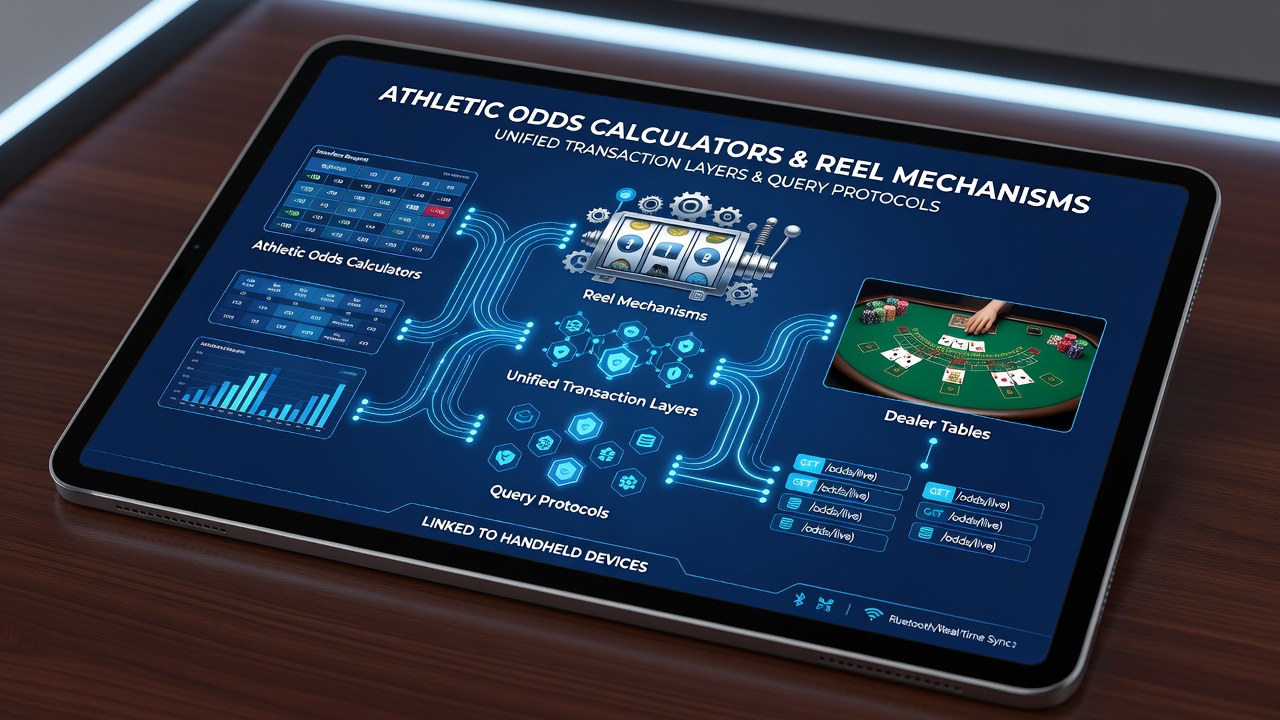
Developers have built interface blueprints that tie athletic odds calculators directly to reel mechanisms and dealer tables, and these systems route everything through shared transaction layers plus standardized query protocols that run on handheld devices. The setup allows users to move between sports predictions, automated reel spins, and live card or table sessions without switching apps or re-entering payment details each time.
Unified Transaction Layers in Practice
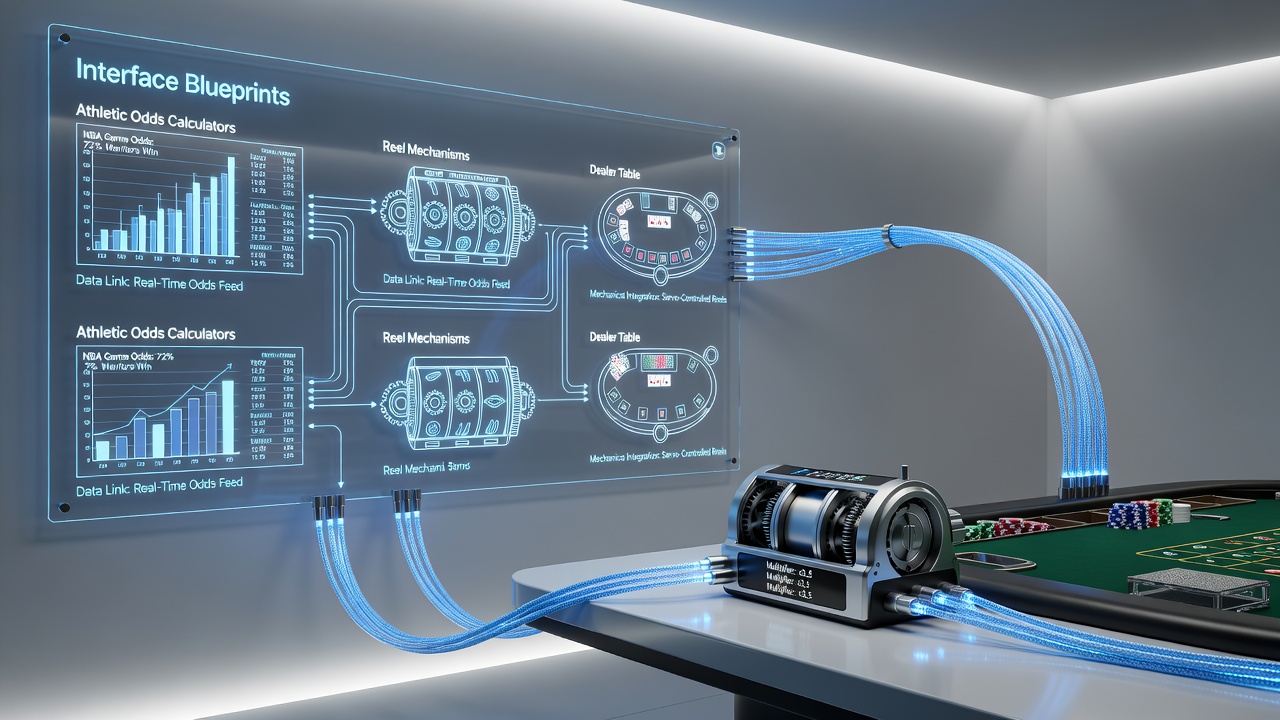
Unified transaction layers handle deposits, withdrawals, and in-play adjustments across all three verticals at once, so a single authorization covers a sports wager, a slot session, and a dealer table seat on the same device. Observers note that these layers reduce latency because they process requests in parallel rather than routing each request through separate banking gateways. Data from industry reports shows that platforms using this approach recorded faster settlement times during peak evening hours in the first half of 2026.
Query Protocols for Real-Time Synchronization
Query protocols pull live odds from athletic calculators, reel position data from slot servers, and table state information from dealer feeds, then deliver updates to the handheld screen in a consistent format. Researchers at several gaming technology firms have documented how these protocols use lightweight API calls that keep data usage low on mobile networks. In July 2026 several operators began rolling out an updated protocol version that supports simultaneous queries across multiple game types without dropping connection speed.
Device-Level Implementation Details
Handheld devices receive the blueprints through software development kits that embed the transaction layer and query protocol directly into the operating system layer. This embedding lets the phone manage session tokens across verticals, so a user who places a sports bet can open a reel game or join a dealer table while the original wager remains active in the background. Testing conducted by independent labs in early 2026 confirmed that session persistence holds steady even when network conditions fluctuate between 4G and 5G towers.
One engineering team that deployed the system across three state-licensed markets reported that the shared layer cut the number of separate authentication steps by roughly half compared with earlier segmented designs. The same team noted that query response times averaged under 200 milliseconds for combined requests involving both athletic odds and reel outcomes.
Security and Compliance Elements
Encryption standards sit inside the transaction layer so that every data packet traveling between the handheld device and the central servers carries the same protection level regardless of whether the packet contains sports odds, reel results, or dealer table actions. Compliance officers at multiple jurisdictions have reviewed the blueprint documentation and confirmed that audit trails remain intact because each action logs through the unified layer rather than through separate vertical logs.
According to statistics published by the American Gaming Association, mobile integration projects that adopted unified layers showed measurable increases in cross-vertical play during the second quarter of 2026. A separate report from the European Gaming and Betting Association tracked similar patterns in markets that introduced comparable query protocols on handheld platforms.
Operational Outcomes Observed in 2026
Operators that activated the full blueprint set recorded fewer support tickets related to payment mismatches and session drops. The reduction occurred because the single transaction layer eliminated the need for users to reconcile balances across separate wallets. In July 2026 at least two major suppliers released documentation updates that standardized the query protocol further, allowing smaller operators to adopt the same interface without building custom bridges.
Conclusion
The interface blueprints create a single pathway that links athletic odds calculators with reel mechanisms and dealer tables through shared transaction layers and query protocols on handheld devices. Implementation data from multiple markets in 2026 shows consistent improvements in session continuity and reduced authentication steps while maintaining required security and compliance standards across the connected systems.