Encryption Layers Fueling Secure Transfers Between Virtual Card Tables and Event Forecasts on Handheld Devices
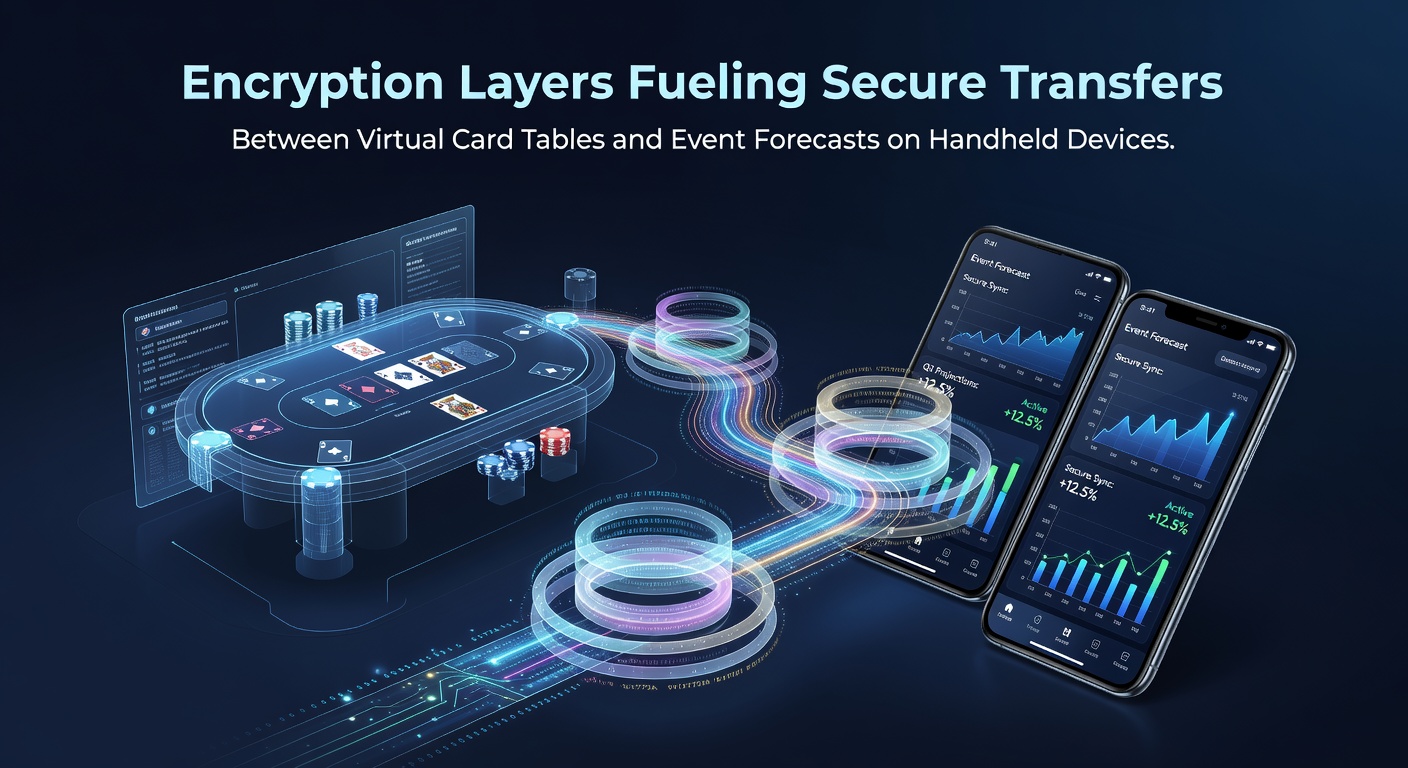
Encryption layers form the backbone of secure data movement in mobile applications that connect virtual card tables to event forecasting platforms, and operators continue to refine these systems as user volumes grow through mid-2026. Multiple protocols work together to protect information during transmission and storage, with each layer addressing specific vulnerabilities that arise on handheld devices. Research from the National Institute of Standards and Technology outlines how standards such as AES-256 and TLS 1.3 create stacked defenses that maintain integrity across poker sessions and sports wager placements alike.
Core Encryption Protocols in Mobile Gambling Environments
Developers implement end-to-end encryption alongside tokenization to shield sensitive details like account credentials and transaction records. Data moves through channels protected by Transport Layer Security, which negotiates session keys before any transfer begins, while application-level encryption adds another barrier that persists even if network security lapses occur. Observers note that this combination prevents interception attempts during real-time bet placements on handheld devices, where connections shift between cellular and Wi-Fi networks repeatedly throughout a session.
Those who study mobile security patterns report that tokenization replaces actual card numbers with unique identifiers that hold no value outside the specific transaction environment. This approach limits exposure if a device encounters compromise, and it pairs naturally with biometric authentication methods built into modern smartphones. Figures from industry reports indicate rising adoption rates of these combined measures across platforms handling both card game interfaces and live odds updates.
Securing Transfers at Virtual Card Tables
Virtual card tables require continuous encryption of player actions, chip movements, and payout requests because each decision carries financial weight. Encryption activates the moment a user joins a table, wrapping every data packet in layers that obscure strategy details from external viewers. Payment flows between the app and backend servers rely on the same stacked protocols, ensuring that winnings reach designated accounts without intermediate exposure. Experts at research institutions have documented how these mechanisms scale to support thousands of simultaneous connections without introducing latency that disrupts gameplay flow.

Operators integrate hardware-backed keystores on both iOS and Android platforms to store private keys away from software-based attacks. This hardware separation adds resilience against malware that targets application memory, and it supports rapid key rotation schedules that refresh credentials at set intervals. Data shows that platforms adopting such measures experience fewer reported incidents involving unauthorized access during peak hours.
Protecting Event Forecast Transactions on Handheld Devices
Event forecasting applications process odds changes and stake adjustments in real time, which demands encryption that adapts to fluctuating data volumes. Layers here focus on securing location-based inputs and live feed integrations while maintaining user anonymity where regulations permit. Transfers involving deposits or withdrawals pass through gateways that apply additional verification steps encrypted at multiple points along the route. Analysts tracking adoption trends in June 2026 highlight how these systems align with emerging device capabilities such as secure enclaves that isolate critical operations from the main processor.
Multi-factor elements combine with encryption to verify user intent before any funds move, and this integration reduces friction while preserving security thresholds. Platforms handling both poker and forecasting features often share backend encryption frameworks, which allows consistent policy enforcement across different game types. Regulatory bodies in regions like Ontario and parts of the European Union have issued guidelines that reference these layered approaches as baseline requirements for licensed operators.
Device-Specific Considerations and Implementation Trends
Handheld devices introduce unique variables because operating system updates and hardware variations affect how encryption performs under load. Developers test protocols against the latest iOS and Android releases to ensure compatibility without gaps during transitions. Studies from academic sources emphasize the value of forward secrecy in TLS implementations, which ensures that past sessions remain protected even if long-term keys face future compromise. This principle gains importance as users switch between multiple devices throughout a day of activity spanning card tables and event predictions.
Integration with payment processors further extends encryption chains beyond the app itself, creating end-to-end paths that operators monitor through centralized dashboards. Those monitoring these systems report that anomaly detection tools now leverage encrypted traffic analysis to flag irregularities without decrypting content, preserving privacy standards. Such capabilities have become standard in platforms managing high-frequency transfers across regions with differing compliance frameworks.
Conclusion
Encryption layers continue to evolve in response to both technological advances and regulatory expectations, supporting secure operations between virtual card tables and event forecasting tools on handheld devices. Stacked protocols, hardware integration, and adaptive testing form the current foundation, with ongoing refinements expected as device ecosystems expand. Data from established standards bodies and regional authorities confirms that these measures underpin reliable transfers without compromising user experience across the sector.