Chasing Progressive Pots: Mobile Strategies for Poker Players Tapping Live Casino Feeds
Chasing Progressive Pots: Mobile Strategies for Poker Players Tapping Live Casino Feeds
The Allure of Progressive Pots in Modern Poker
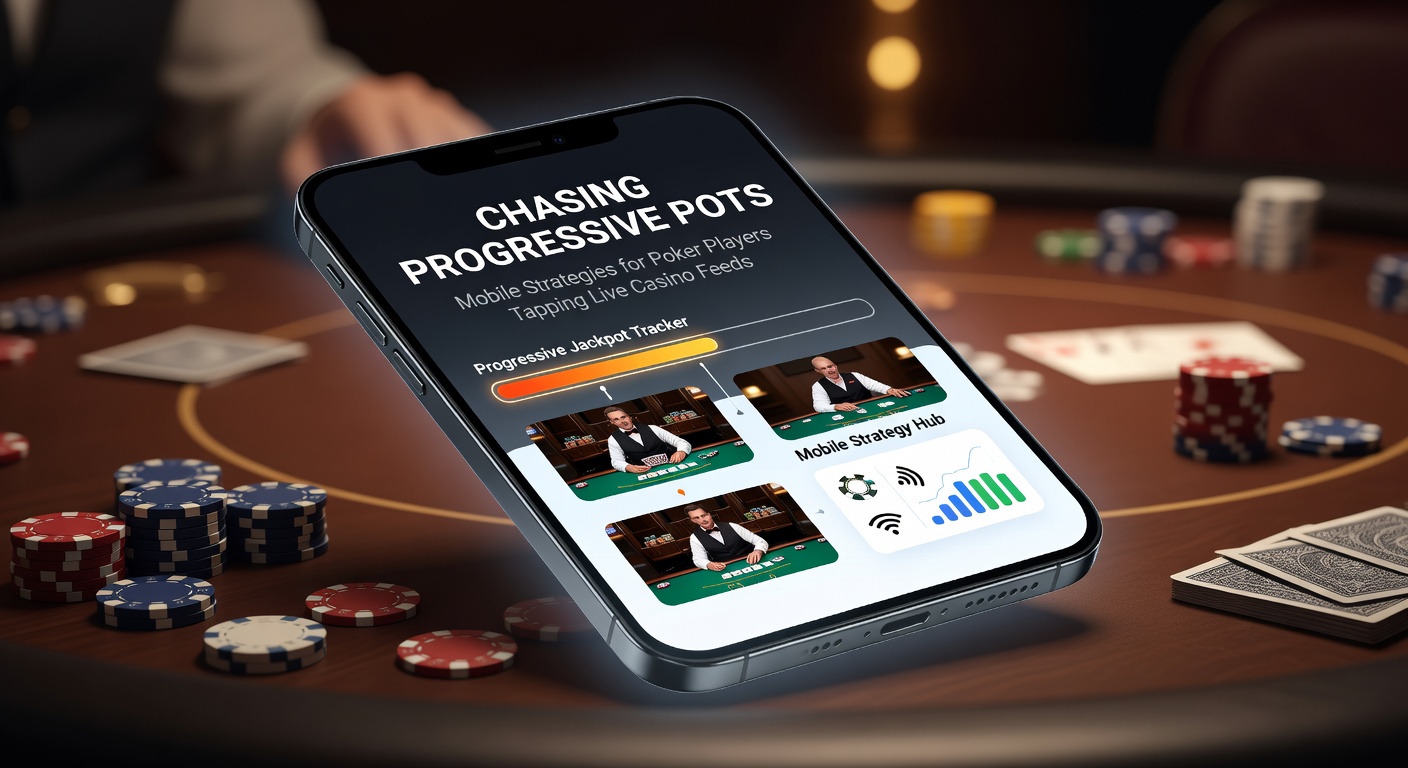
Progressive pots draw poker enthusiasts because they accumulate contributions from multiple players across games or networks, swelling until someone claims the prize; this mechanic turns standard Texas Hold'em or Omaha tables into high-stakes hunts, especially when live casino feeds bring real-dealer action straight to mobile screens. Data from industry trackers shows these jackpots hitting millions in peak periods, with mobile participation surging as platforms integrate seamless streaming tech. Players tap into this via apps that sync live tables from land-based casinos, allowing bets from anywhere with a signal.
What's interesting is how live feeds mimic the buzz of physical floors, complete with dealer banter and card shuffles captured in HD; observers note that since 2020, mobile poker downloads spiked 45% year-over-year, per app analytics firms, largely fueled by these progressive chases. And yet, success hinges on smart strategies tailored to the handheld format, where quick decisions and data tracking make all the difference.
Understanding Progressive Jackpots on Live Feeds
These pots build through a side wager or rake percentage funneled into the jackpot pool, resetting post-win while carrying over unseeded amounts to keep momentum; in live casino settings, feeds from venues like those in Atlantic City or Macau stream the action, ensuring transparency as pots climb visibly on-screen. Research from gaming analysts reveals average growth rates of $10,000 to $50,000 daily on popular networks, depending on traffic volume and stake levels.
Take one network where tables link across continents: a single qualifying hand can trigger massive escalations, and mobile users see real-time meters ticking up, prompting jumps into high-potential games. But here's the thing—eligibility often requires specific hand triggers, like royal flushes or straight flushes, which stats peg at odds around 1 in 650,000; those who've crunched the numbers emphasize tracking historical hits to spot patterns, although variance remains king.
Mobile Platforms Bridging Live Casino Action
Top operators now embed live feeds into poker apps, using edge computing to slash latency below 100 milliseconds, so players fold or raise without the drag of traditional buffering; this setup lets users multi-table progressives from studios in Latvia or the Philippines, all while lounging poolside. Figures from market reports indicate over 60% of poker traffic now flows through mobiles, with live integrations boosting session times by 30% on average.
And it doesn't stop there—push notifications alert to pot surges or hot tables, turning passive scrollers into active hunters; developers optimize for touch interfaces, featuring swipe-to-bet and one-tap qualifiers that keep fingers flying during live shuffles. Observers point out how 5G rollout supercharged this, enabling 4K streams without hiccups, a game-changer for spotting tells on small screens.
Core Strategies for Chasing Pots on the Go
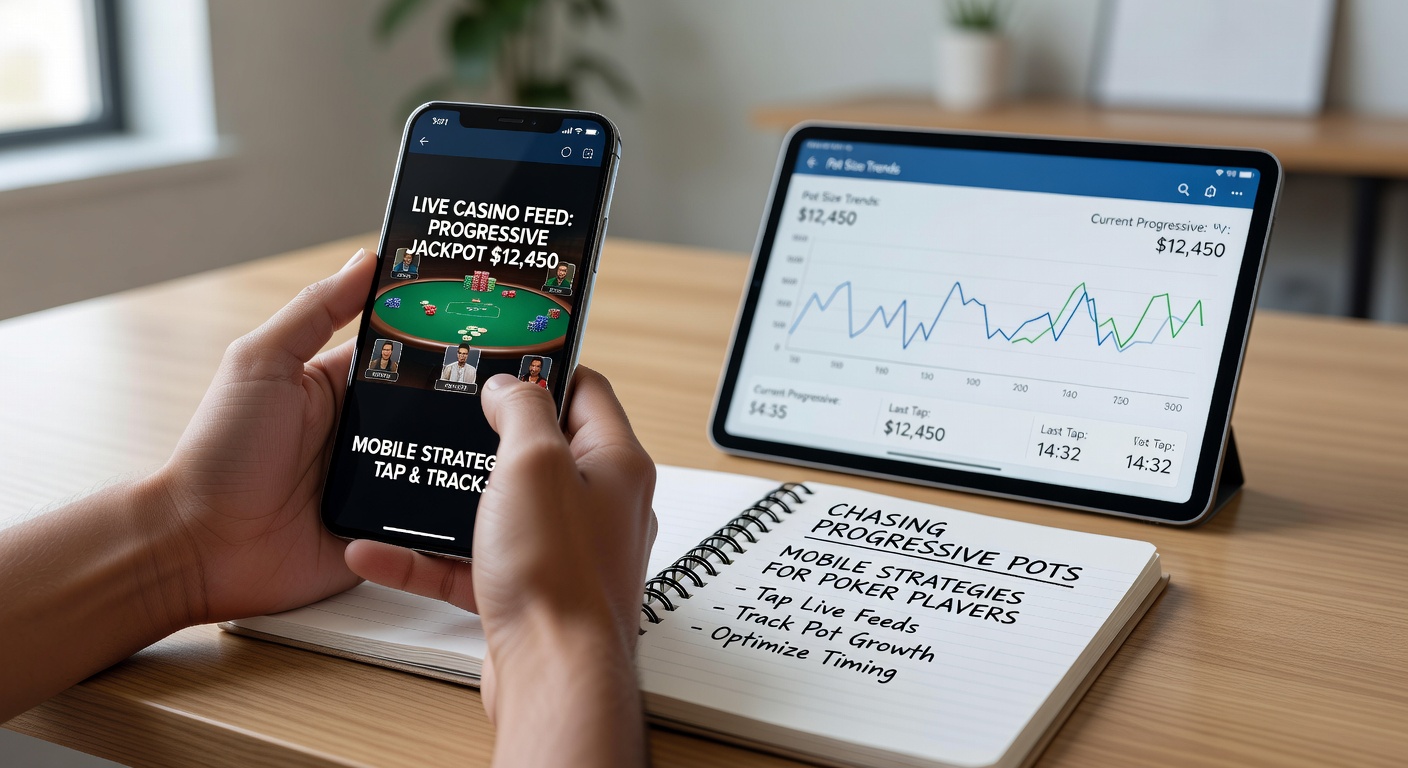
Seasoned players prioritize bankroll segmentation, allocating 5-10% to progressive side bets since the math favors volume over single shots; they scout tables via app filters for pots over $100,000, joining only when contribution rates align with their edge calculations. Turns out, timing entries during peak hours—say, evenings in Europe overlapping Asia—ramps up rake inflows, accelerating growth without inflating competition.
Multi-tabling shines here, with pros running four to six live feeds simultaneously on split-screen modes; apps like those vetted by the Nevada Gaming Control Board enforce fair play through geofencing and RNG audits, ensuring mobile parity with desktop. Yet discipline rules: setting auto-fold limits prevents tilt from bad beats, while session trackers log qualifier frequencies to refine approaches.
- Scan for under-the-radar pots early in cycles, when odds improve before hype draws sharks.
- Leverage bonuses that boost side bet returns, often 20-50% extra on select networks.
- Practice on free-feed simulations to master live rhythms without risking chips.
One case saw a Canadian grinder hit a $250,000 pot after logging 200 hours across mobiles, methodically targeting mid-stakes tables; data backs this grind, showing consistent qualifiers yield 2-3x ROI long-term for patient hunters.
Tech Tools and Optimizations Boosting Wins
AI-driven HUDs overlay stats on live feeds, highlighting pot trajectories and player leakages in real time; these tools, compliant with regs from bodies like Canada's Alcohol and Gaming Commission of Ontario, parse thousands of hands per minute to flag value spots. Battery-savers and data compressors keep sessions marathon-length, crucial since pots often peak overnight.
So players sync wearables for biometric alerts—heart rate spikes trigger breaks—while VPNs skirt geo-blocks for global table access; developers rolled out haptic feedback for bet confirmations, mimicking chip stacks' weight. It's noteworthy that AR previews, testing in beta as of early 2026, project pot meters into real-world views, blending digital hunts with physical cues.
Navigating Regulations and Safe Play
Regulators worldwide enforce standards for live-mobile hybrids, mandating segregated pots and third-party audits to verify growth math; in Australia, for instance, state commissions require transparent feed sourcing, preventing feed manipulation that could erode trust. Players verify licenses via app badges, dodging unlicensed ops where pots vanish post-win.
Age gates and spend caps, now standard per EU directives, curb excesses; studies from university gaming labs find enforced breaks reduce losses by 25% among mobile users. And with April 2026 marking new 5G mandates in key markets, expect tighter latency rules, pushing platforms to upgrade for fairer chases across time zones.
Responsible tools abound: self-exclusion toggles pause progressive access, while reality checks pop during deep runs; experts who've mapped player data stress logging out at predefined pot thresholds to lock profits before busts.
Real-World Wins and Lessons from the Field
Consider the 2025 Vegas-linked progressive that ballooned to $1.2 million via mobile qualifiers, snagged by a Sydney player mid-commute; post-mortems revealed her strategy of low-stakes volume play, hitting the royal after 1,500 hands. Similar tales emerge from EU networks, where duos coordinate via chat apps to seed pots collaboratively.
But losses teach too—a Florida study group chased a stubborn $800K pot, burning stacks on unqualified bluffs until variance flipped; takeaways? Always balance chase budgets against base game viability, since progressives fund just 10-15% of serious grinds.
Looking Ahead: Progressive Trends in 2026 and Beyond
By April 2026, blockchain-verified pots promise tamper-proof tracking, with pilots already live in select apps; this tech, audited by international panels, could slash disputes while enabling cross-platform jackpots spanning poker variants. Mobile AR integrations will overlay live dealers into VR lounges, per developer roadmaps, drawing younger demographics hooked on immersive feeds.
Expect AI coaches personalizing strategies based on play history, adapting to live tells via facial recognition opt-ins; market forecasts predict progressive mobile traffic doubling, as 6G whispers enable sub-10ms delays for globe-spanning tables.
Conclusion
Chasing progressive pots via mobile live feeds boils down to blending tech savvy with disciplined play; platforms deliver the action, but strategies like targeted tabling and data-driven timing separate casual taps from jackpot triumphs. As regs evolve and innovations roll out—especially come April 2026—players stand ready to tap ever-larger pools, provided they chase smart. The math favors the prepared, turning handheld devices into portals for poker immortality.