Behavioral Signals Guiding Customized Rewards Across Digital Card Rooms and Athletic Forecasts on Mobile Interfaces
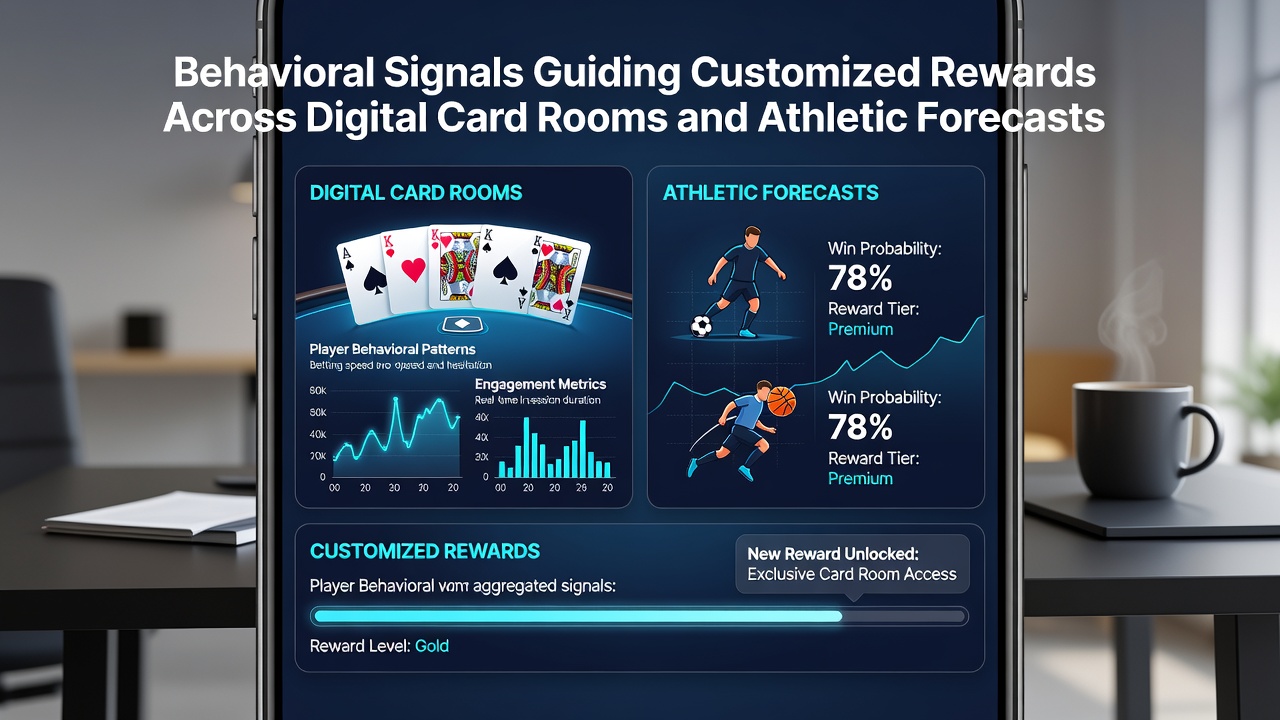
Digital card rooms and athletic forecast platforms on mobile devices now rely on behavioral signals such as session duration, bet frequency, and navigation patterns to shape reward structures, while these systems draw from aggregated user data collected across poker tables and sports prediction modules as of July 2026. Operators analyze these signals through algorithms that identify engagement trends, then adjust bonus offers, loyalty points, and promotional credits accordingly, and the process occurs in real time on handheld interfaces where users switch between card games and event forecasts without interruption.
Data Collection Mechanisms in Mobile Environments
Behavioral signals originate from touch interactions, time spent reviewing odds, and response rates to in-app notifications, whereas platforms process this information through secure back-end systems that comply with regional data standards. Research from academic institutions indicates that mobile sessions lasting under five minutes often trigger immediate micro-rewards like free spins or prediction credits, yet longer engagements with multiple table switches lead to tiered loyalty adjustments based on volume and variety of activity. Observers note that these signals help distinguish casual participants from consistent players, allowing platforms to calibrate offers without manual intervention, and integration with payment flows ensures rewards appear promptly in user accounts during active sessions.
Application in Digital Card Rooms
Within digital card rooms, signals such as hand frequency, fold rates, and multi-table participation guide the distribution of customized rakeback percentages and tournament entry credits, while algorithms track patterns across different stake levels to refine future incentives. Players who demonstrate steady participation in specific variants receive targeted reload bonuses aligned with their historical deposit habits, and systems update these parameters daily based on fresh interaction logs. Those who've examined platform architectures report that such customization reduces reward redundancy because offers adapt to avoid overlap with prior redemptions, thereby maintaining user interest across extended periods.
Personalization in Athletic Forecasts
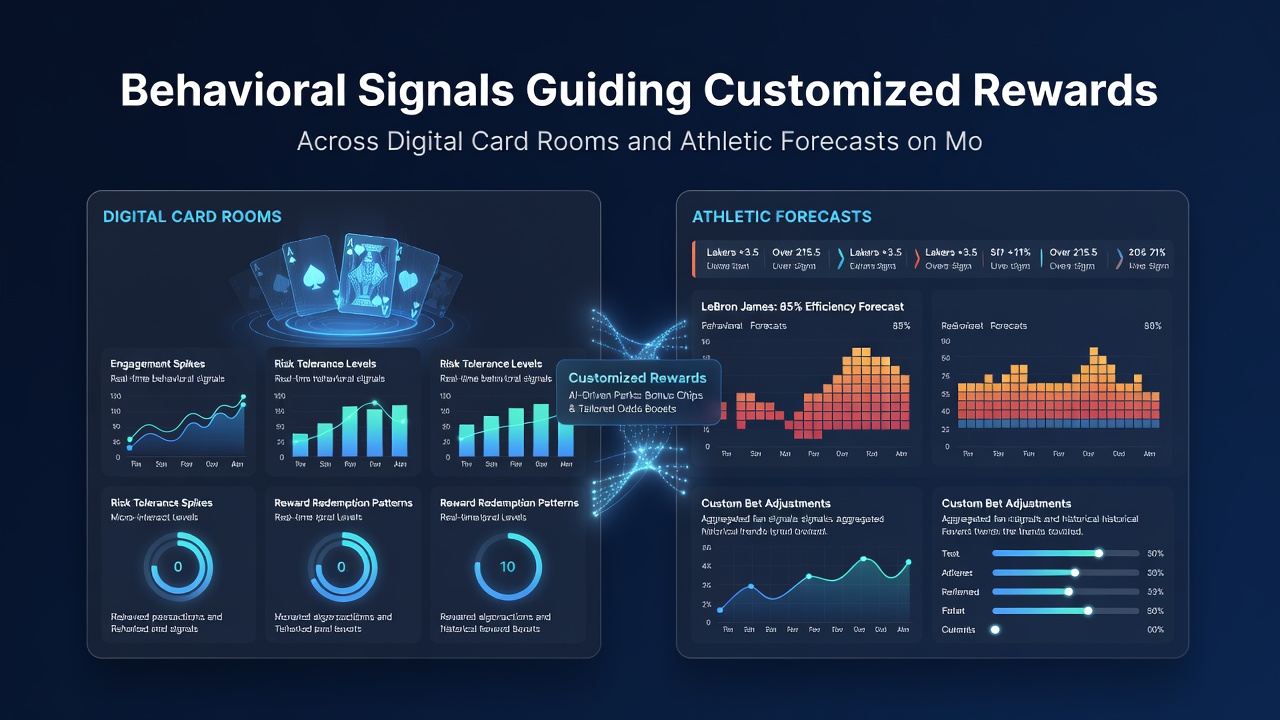
Athletic forecast applications apply similar logic by monitoring wager types, league preferences, and timing of bets relative to event starts, so that reward engines can suggest parlay boosts or cashback percentages matched to individual risk profiles. Data shows that users favoring live in-play predictions often receive accelerated point accumulation rates compared with pre-match bettors, and the mobile interface displays these adjustments through dynamic banners that update within seconds of detected pattern shifts. Industry reports from the Alcohol and Gaming Commission of Ontario highlight how these targeted incentives correlate with sustained activity levels across prediction markets, particularly when rewards sync with live event feeds on the same device.
Integration of Rewards Across Both Domains
Platforms that combine card room and athletic forecast features use unified behavioral profiles to deliver cross-domain rewards, such as shared loyalty currencies redeemable in either poker lobbies or sports sections, and this approach relies on continuous signal monitoring to prevent fragmentation of user incentives. When a participant shifts from a poker session to placing a forecast bet, the system recalibrates upcoming offers based on the combined activity stream, resulting in seamless transitions between environments. Figures from the Nevada Gaming Control Board reveal steady growth in such integrated mobile offerings through the first half of 2026, driven by operator adoption of unified analytics frameworks that link disparate game types under single reward ecosystems.
Regulatory Considerations and Technical Standards
Regional regulators require transparency in how behavioral data informs reward decisions, prompting operators to maintain audit logs that document signal inputs and corresponding outputs, while frameworks from bodies like the Australian Communications and Media Authority emphasize user consent mechanisms embedded directly in mobile apps. Technical standards include encryption protocols that protect signal transmission between devices and servers, ensuring that customization remains accurate without exposing raw behavioral details. As July 2026 progresses, updates to these standards continue to influence how platforms refine their algorithms, particularly in jurisdictions where mobile gaming volumes have expanded rapidly over prior quarters.
Conclusion
Behavioral signals continue to shape reward customization across digital card rooms and athletic forecasts on mobile interfaces through systematic collection and analysis of user interactions, and this process supports more precise alignment between platform offerings and participant activity patterns. Ongoing developments in data handling and regional oversight maintain the operational integrity of these systems, while platforms adapt their approaches based on measurable engagement metrics collected throughout 2026.